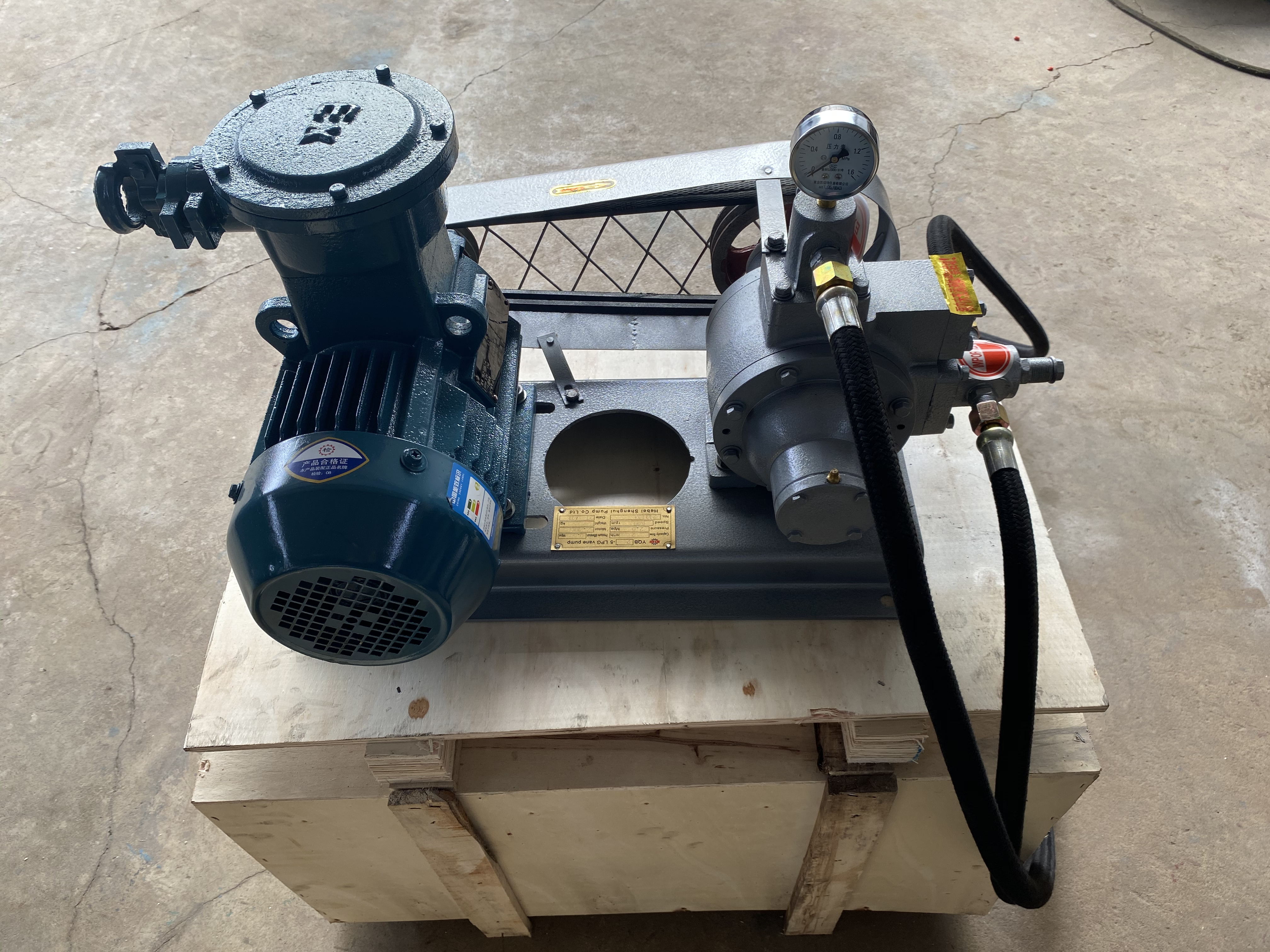
How do the LPG Transfer Pumps Perform in Harsh Oil and Gas?
2026-10-26 17:41:59
Read:
Share:
In the oil and gas industry, the transportation of liquefied petroleum gas may face challenges such as the flammability of the medium, unstable pressure, and harsh operating conditions at terminals or along the transportation route. Hence, whether in liquefied gas storage tank areas, refineries, or oil production facilities, transportation equipment must not only meet process requirements but also control the risk of medium leakage. The YQB series transfer pumps are exclusively engineered for the transfer of highly volatile media such as LPG, utilizing the volumetric displacement created by gear meshing to provide continuous and stable power for liquid transfer, proving an outstanding and reliable solution in the oil and gas industry.
This machinery utilizes the meshing of gears to create a continuously varying working volume, facilitating the directed transfer of liquid from the suction port to the discharge port. The drive gear rotates the driven gear, allowing liquid to enter the space between the gears and the pump body through the suction port, then travel along the interior of the pump to the discharge port, where it is expelled as the gears re-mesh. This design does not rely on the high-speed rotation of an impeller to transport the medium, but rather achieves the transfer of the medium through changes in the working chamber volume. This operating principle helps maintain continuity in the transfer process during the storage, transportation, and loading/unloading of liquefied petroleum gas, reduces unnecessary flow fluctuations, and provides relatively stable flow control for subsequent process stages.
During complex natural gas and petroleum production operations, changes in equipment resistance, valve operations, or fluctuations in upstream and downstream pressure differentials can all affect the mechanical loads borne by the equipment, thereby impacting its operating condition. The lpg gas pump creates a transfer chamber through the meshing of gears with the pump body, allowing the liquid to be gradually transferred during continuous meshing. This method enables a long-term, continuous liquid transfer process and further helps minimize the impact of significant flow rate fluctuations on downstream processes.
LPG is highly volatile, and in the event of a leak, it not only results in a loss of the medium but may also increase safety risks at the site. Shenghui's YQB pumps are engineered with seals specifically designed for the characteristics of liquefied petroleum gas, ensuring reliable sealing performance at the shaft end and related components within the specified pressure and temperature ranges. Through a well-designed shaft seal and reliable connection components, the risk of media leakage is minimized, media loss is reduced, and on-site operational safety is enhanced to safeguard liquefied petroleum gas loading and unloading operations with more reliable equipment.
When transporting oil and natural gas, equipment may be installed outdoors for extended periods and be subject to temperature fluctuations, humidity, dust, and other external factors. The pump’s well-designed structure enables the equipment to withstand mechanical loads generated during operation, while appropriate corrosion protection and proper installation methods ultimately help mitigate the impact of the external environment on the equipment. By maintaining stable gear meshing, the equipment minimizes unnecessary internal leakage and mechanical wear, thereby maximizing the utilization of the medium. For liquefied gas loading and unloading operations, this allows enterprises to increase effective production throughput and shorten extended working hours caused by equipment performance issues.
The lpg gas transfer pumps meet the transportation needs of liquefied petroleum gas in the oil and gas industry through continuous positive displacement, a well-designed structure, and reliable sealing performance. In practical applications, these pumps efficiently transport highly volatile media and ensure the smooth operation of subsequent production processes, thereby providing a continuous transportation solution.