How G Screw Pumps Improve Sludge Handling in Metallurgical Plants?
2026-10-15 16:48:42
Read:
Share:
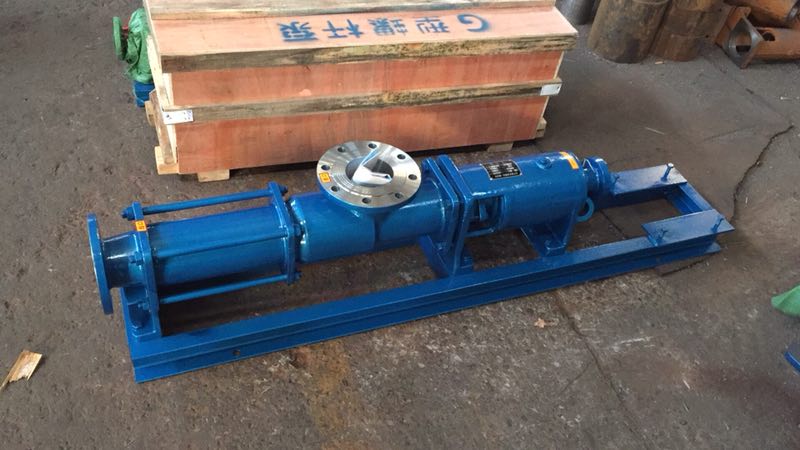
In the metallurgical industry, material handling spans multiple stages, including raw material processing, mineral processing, smelting, and industrial wastewater treatment, with each stage placing different demands on the equipment. The media involved generally contain solid particles or are highly viscous, which can easily lead to poor flow, material buildup, or blockages during transport, and may even cause equipment wear. However, this G screw pump utilizes the rotation of the internal screw within the stator to cause the sealing chamber to move continuously in the axial direction, delivering the medium from the suction port to the discharge port. This operating principle qualifies it for the conveyance of viscous liquids, suspensions, and certain media containing solid particles, while also meeting the conveyance needs of specific materials in metallurgical production.
This equipment is well-suited for viscous media and media containing solid particles, and can be used to process ore slurry and mineral suspensions of a certain concentration. As a result, it can treat ore slurry containing fine mineral particles in mineral processing operations and can be used for auxiliary conveying and slurry transfer. The continuous conveying nature of this system helps maintain consistency in the material handling process, reducing flow rate fluctuations and providing a relatively stable feed to downstream filtration, separation, or processing equipment, while also minimizing the impact of feed interruptions on subsequent processing stages. It should be noted, however, that when handling media containing hard mineral particles, close attention must be paid to the wear on equipment components caused by the media to ensure the equipment remains operational under actual operating conditions.
Different from centrifugal pumps, which rely on the high-speed rotation of an impeller to transport liquids, the G type sludge screw pump uses a screw rotating within a rubber stator to convey the medium, effectively handling sludge containing fine solid particles, flocs, and other suspended solids found in metallurgical wastewater. By appropriately selecting the rotational speed, pump type, and piping configuration, this equipment can be used for sludge transfer, feeding dewatering equipment, and certain industrial wastewater treatment processes. This facilitates the stable transfer of sludge to downstream treatment equipment, reduces the need for manual transfer, and ensures a smoother flow in the wastewater treatment process. In addition, this equipment allows for the installation of an appropriate speed control device to adjust the pump’s rotational speed based on actual production needs, enabling the flow rate to match the processing capacity of downstream equipment. If the feed rate is too fast prior to sludge dewatering, it can increase the load on the filtration equipment, while an unstable feed rate can adversely affect the entire treatment process. This speed control design helps regulate the feed rate on continuous production lines, reducing unnecessary starts and stops as well as manual intervention, thereby lowering production and maintenance costs.
For the metallurgical industry, selecting a G single screw pump should not rely solely on the equipment’s rated flow rate or motor power; instead, it requires a comprehensive consideration of factors such as the medium’s temperature, viscosity, particle size, and actual operating conditions. For example, in sludge conveyance, greater attention is paid to the medium’s solids content and concentration variations, while in slurry conveyance, greater emphasis is placed on wear caused by particle abrasion. Only by aligning the actual pumping conditions with the appropriate equipment model can the pump fully demonstrate its inherent advantages in the metallurgical sector, such as continuous operation and strong adaptability to various media. It is important to note that metallurgical production processes may involve dusty or humid environments, therefore, regular inspections of rotor and stator wear, shaft seal condition, and the operational status of key components are necessary to minimize production disruptions caused by component failure.
Whether it’s transferring mineral processing slurry to metallurgical wastewater treatment or supplying materials in auxiliary processes, the G screw transfer pump is capable of handling the corresponding transfer tasks across various production stages in the metallurgical industry. For metallurgical enterprises, selecting the appropriate transfer equipment helps reduce the operational burden during material transfer, improves coordination between production processes, and supports sludge and industrial wastewater treatment.